(图片来源:视觉中国)
“
“老龄”只是一个客观的年龄标准,只是意味着人在年龄上的变化。人们所担心的是“老年”,是各种能力的退化和衰弱。健康老龄化不局限于单一的生理健康或心理健康,而是注重二者的统一。同时,具有良好的社会适应能力,也是老龄个体健康的重要内容。
本文作者系盘古智库老龄社会研究院副院长、高级研究员李佳,文章来源于《中国日报》2022年9月1日。
”

中国正面临着快速增长的老龄化人口。“十四五”期间,中国60岁及以上老龄人口将超过3亿,占总人口的比重超过20%。
目前,国际上普遍将65岁及以上人口占总人口的比重作为衡量老龄社会程度的标准,超过7%但低于14%为轻度老龄社会;超过14%但低于20%为中度老龄社会;超过20%但低于40%为重度老龄社会;超过40%为超重度老龄社会。
2021年末,中国65岁及以上人口突破2亿,达到20056万人,占总人口比重达14.2%。以此为标志,中国已经迈入中度老龄社会。此外,随着1962-1976年第二次出生高峰人口进入60岁,中国将迎来第二个老龄人口增长高峰,60岁以上老龄人口年均净增加突破1000万。预计到“十四五”末期,中国60岁以上老龄人口将突破3亿人,占比将超过20%。
中国60岁及以上老龄人口1970年为5000万,1991年达到1亿,2013年达到2亿,预计2025年达到3亿,2033年达到4亿。比较可以看出,从5000万到1亿用了21年,从1亿到2亿用了22年;而从2亿到3亿仅用12年,从3亿到4亿仅用8年。这就是说,我国60岁及以上老龄人口基本每20年就要翻倍增长。
由轻转中,由快转急,构成了当前中国人口老龄化的主要挑战。不过,中国的人口老龄化并非没有机遇。
第一,低龄群体占比过半。中国60岁及以上老龄人口中各年龄段的比例为,60~69岁为14740万人,占比55.83%;70~79岁为8082万人,占比30.61%;80岁及以上为3580万人,占比13.56%。
第二,人口红利仍在。2011年,中国劳动年龄人口数量达到最大值9.40亿,进入劳动力资源从增加转为减少的“拐点”。2012年起,中国劳动年龄人口数量开始缓慢缩减,2018年已降至9亿以下。但预计到2040年前,中国劳动年龄人口仍然将保持在8亿以上。
第三,中国政府正在积极行动。“十三五”时期,中国老龄政策法规体系不断完备,多元社会保障不断加强,养老服务体系不断完善。“十三五”末期,中国已有各类养老服务机构和设施32.9万个,床位821万张。“十四五”期间,中国养老服务床位总量将达900万张以上,其中养老机构护理型床位占比将达到55%。
实际上,老龄并不可怕。“老龄”只是一个客观的年龄标准,只是意味着人在年龄上的变化。人们所担心的是“老年”,是各种能力的退化和衰弱。
世界卫生组织发现,个人行为和生活方式因素对健康的影响占60%。人类无法阻止衰老,但他们可以在衰老过程中保持良好的身体健康,健康的生活方式可以帮助他们预防和管理慢性疾病。
这就是为什么2016年提出的“健康中国2030”提出保持健康是个人责任的一部分,并重点促进健康的生活方式和身体健康,。
中国已提出到2035年建成“健康中国”。正是依靠“健康中国”,中国在卫生领域取得了显著进展。例如,到2020年,中国人的平均预期寿命增加到77.93岁,37.2%的人口进行定期体育锻炼。
健康老龄化不局限于单一的生理健康或心理健康,而是注重二者的统一。同时,具有良好的社会适应能力,也是老龄个体健康的重要内容。
健康老龄化还意味着确保大多数老年人保持健康。这就是为什么健康老龄化强调社会环境的重要性。老龄社会要求将健康保护与社会经济和文化发展结合起来。这意味着应该在人们生命的每个阶段提供健康教育,以控制和预防非传染性疾病。
面对人口老龄化的冲击对国家和社会而言,“十四五”是积极应对人口老龄化的关键时期,挑战和机遇并存。而对个人和家庭来说,也要积极行动起来。其中之一,就是从自身健康做起。
- English Version -
China is facing a rapidly rising aging population, with the number of people aged 60 or above likely to exceed 300 million, or about 20 percent of the total population, during the 14th Five-Year Plan (2021-25) period.
A country is considered an "aging society" if 7 to 14 percent of its total population is aged 65 or above, an "aged society" if 15 to 20 percent of its population is 65 or above and a "super-aged society" if 21 percent of its population is aged 65 or above.
The fact that by the end of 2021, China had more than 200 million people aged 65 or above, accounting for more than 14 percent of the total population, means the country is close to becoming an aged society. What's more, China's aging population will grow at an even faster rate since the "baby boomers", that is, those born between 1962 and 1976, started entering their 60s this year and the number of people aged 65 or above has been increasing at a relatively fast rate after 2018-at an annual average of about 10 million.
China's population aged 60 or above was 50 million in 1970, about 100 million in 1991 and 200 million in 2013, and it is likely to reach 300 million in 2025 and 400 million in 2033. The trend shows the country will become grayer with the number of people aged 60 or above projected to double every 20 years.
Although China is facing the daunting challenge of an aging population, there is no need to be overly pessimistic about the demographic changes. First, people aged between 60 and 69 years account for 55.83 percent of the total 60-plus-year-old population, 70 to 79 year-olds account for 30.61 percent, and people older than 80 comprise 13.56 percent, according to China's seventh national census in 2021.
Second, China will continue to enjoy the demographic dividends despite the projected decline in its working-age population after 2012. The country's working-age population, aged 16 to 59, is estimated to be more than 800 million before 2040. According to the census, it was 880 million in 2020.
Third, the government has stepped up efforts to address the challenges posed by a rapidly aging society. During the 13th Five-Year Plan (2016-20) period, the central authorities optimized related legal systems, improved the social insurance system and promoted quality eldercare services. China had 329,000 old age homes and other eldercare facilities with 8.21 million beds in 2020. And by the end of the 14th Five-Year Plan period, it will have more than 9 million beds for elderly people, with 55 percent of those being in eldercare institutions.
Besides, aging refers to the physiological changes people experience as they advance in age. The only worrying factor in aging is failing health and physical vitality.
According to the World Health Organization, 60 percent of the individual health and quality of life issues are related to lifestyle. Humans cannot stop aging, but they can help maintain good physical health while aging, and a healthy lifestyle can help them prevent and/or manage chronic diseases.
That's why, a key component of the "Healthy China 2030" blueprint, issued in 2016, is the promotion of a healthy lifestyle and physical fitness. It says maintaining good health is part of individual responsibility.
Moreover, the central leadership's aim is to build a "Healthy China" by 2035. And thanks to the "Healthy China" initiative, China has made remarkable progress on the health front. For example, the average life expectancy of the Chinese people increased to 77.93 years in 2020, with 37.2 percent of the population doing regular physical exercise.
Yet healthy aging means more than that. It means staying physically and mentally fit. As such, social adaptation, meaning the flexibility to adapt to the environment and its changes, is important for elderly people's health.
Healthy aging also means ensuring that most senior citizens stay healthy. That's why healthy aging stresses the importance of the social environment. An aging society requires the integration of health protection and socioeconomic and cultural development. Which means health education should be provided for people at each stage of their life, in order to control and prevent non-communicable diseases.
The 14th Five-Year Plan period is important for the government and society to address the challenges of population aging. More important, individuals and families should realize that healthy aging is related to a healthy lifestyle and maintaining good physical health.■
图文编辑:周骆佳
责任编辑:王毅博
关注“双碳时间”公众号,获得一手资讯!

 【关注】李玲飞:日元贬值与日本银行放任的逻辑
 单位GDP二氧化碳排放计算(碳排放核算摸底和达前景分析)
 徐伟:建筑行业“碳达峰”“碳中和”目标分解和实施路径
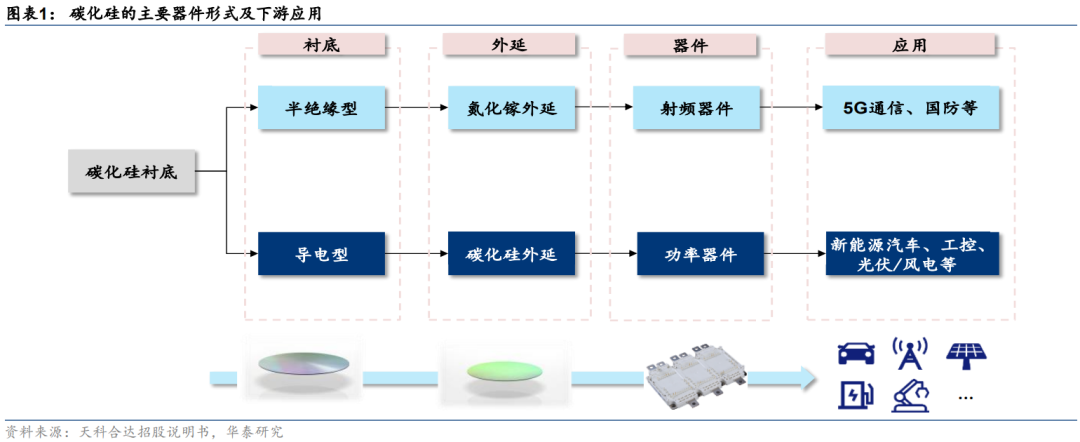 华泰证券:把握碳中和背景下的碳化硅行业投资机会
 工业领域碳达峰实施方案出炉,首次提出锂电材料能源占比低于7%
 三部门:新增14个地区开展二手车出口业务