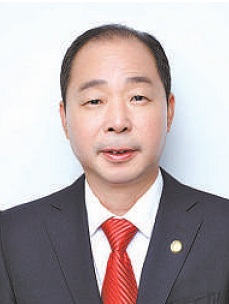
“
2022年是中韩建立正式外交关系三十周年,两国关系将迎来新的契机,两国交流合作将步入新的阶段。韩国政府的换届对于韩对华政策将是一次重要的调整,应理性客观看待如今充满变革的国际局势。全球经济逐步走出疫情阴霾,双方应加强交流,积极寻求新的合作方式,在能源清洁利用、数字技术新基建等双方共同的优势领域加强合作,共同推动亚洲经济繁荣。
本文作者系盘古智库研究员王毅博,文章英文版首发于《中国日报》2022年5月10日,标题为“New ROK leader brings both changes and chances”,节选编译自中文版文章《尹锡悦上任后,有哪些潜在的宏观影响》,截稿于2022年3月。
”

Having won the presidential election by a razor thin margin of 0.73 percentage points in March, Yoon Suk-yeol of the conservative People Power Party will be sworn in as the new president of the Republic of Korea on Tuesday.
But despite winning the presidential election on an anti-corruption and pro-US plank, Yoon, a former chief prosecutor and a political novice, has invited former president Park Geunhye, who was jailed for corruption due to Yoon-led investigations, to his inauguration.
Also, Yoon could also change the policies of outgoing ROK President Moon Jae-in who strived to strike a balance between relations with the United States and other countries, because Yoon's priority seems to be closer alignment with the US and a tougher stance against the Democratic People's Republic of Korea. In fact, within hours of his election, Yoon called US President Joe Biden and sent a delegation to the US about one month later.
With the Russia-Ukraine conflict lingering on and no signs of the China-US frictions being resolved, the ROK's diplomacy under Yoon will focus on strengthening the Washington-Seoul alliance and helping the US to design the Asia-Pacific order.
Given the changing situation, four aspects of US-ROK relations need to be highlighted. First is the ROK-US coordination on the Korean Peninsula denuclearizing issue, insisting that the DPRK completely abandon its nuclear weapons program for the US to lift the sanctions, and Seoul's efforts to increase its say on the issue. For example, Yoon has proposed a ROK-DPRK-US liaison center in either Washington or Panmunjom in the demilitarized zone, in order to resolve the issue.
Second, Yoon may try to improve the ROK's ties with Japan and reshape ROK-US-Japan relations, in a bid to appropriately respond to what he has emphasized as "Pyongyang's nuclear threat". No wonder he sent delegations to both the US and Japan in April. The improvement of the US-ROK-Japan economic and security alliance could also lead to a new 2+2+2 dialogue mechanism.
Third, that Yoon will strengthen security ties with Washington was evident from his remark that he may consider joining the US-led Quad, a quadrilateral security dialogue among the US, India, Japan and Australia, and put joint US-ROK military drills and US military deployment in the ROK back to the table. But it will not be easy for him to reverse the "three nos" the Moon administration agreed with China-no additional deployment of Terminal High Altitude Area Defense in the ROK, no ROK participation in the US-led strategic missile defense system, and no trilateral military alliance with the US and Japan.
And fourth, the US and the ROK may expand cooperation in high-tech development, including in the semiconductor and nuclear power sectors. This year marks the 10th anniversary of the establishment of the US-ROK free trade area, and if Seoul integrates its policies with Washington's Indo-Pacific economic cooperation mechanism, it could lead to deeper US-ROK cooperation on stabilizing the supply chains, and boosting the digital economy, clean energy and infrastructure.
However, as for climate change and the growing demand for resources and energy, Yoon plans to establish a global cooperation network based on the ROK's advantages in digital technology, which could lead to the construction of digital infrastructure, promoting cooperation among ASEAN member states, India, Central Asian and Eastern European countries, and other regions.
The policy Yoon adopts toward China remains to be seen. Moon deftly balanced the ROK's relations between China and the US, but Yoon shouldn't tip the balance in the US' favor.
The Yoon government may be pragmatic enough not to neglect China-ROK relations, especially because the potential for Sino-ROK cooperation in the trade, public health, climate change and cultural fields is huge.
The ROK could nevertheless accelerate efforts to diversify its imports, by increasing imports from other Regional Comprehensive Economic Partner countries and reducing imports from China, in order to decouple its high-end manufacturing from China's, though Yoon has said that the Sino-US frictions could be both a challenge and an opportunity for the ROK and that he would like to promote trade between the two sides through high-level strategic dialogue.
On the campaign trail, Yoon endorsed calls for preemptive strikes against the DPRK, insisting that sanctions can be eased only after the complete, verifiable and irreversible denuclearization of the DPRK. Although his basic principle of "dialogue-deterrence" may not change, Yoon may try to take the peninsula denuclearization issue forward and raise the level of inter-Korean meetings.
But since inter-Korean ties are largely influenced by the US-DPRK relationship and the US has not eased sanctions against the DPRK, it will be difficult for the ROK to take any initiative to improve Pyongyang-Seoul relations.
And the fact that Biden is scheduled to visit the ROK and Japan on May 20-24 on his first trip to the two countries since taking office in January last year and hold talks with the ROK and Japanese leaders, uncertainties could emerge in the region.
On the other hand, President Xi Jinping's special representative, Vice-President Wang Qishan, will lead a delegation to the ROK to attend the inauguration of Yoon in Seoul at the invitation of the ROK government. This year marks the 30th anniversary of the establishment of China-ROK diplomatic relations, and both sides should make efforts to maintain the good momentum of bilateral ties.
The international situation is undergoing massive changes, and rational views can create more, new opportunities for the two neighbors, especially since China is the ROK's largest trade partner, and the ROK is China's third-largest trade partner country.
With the global economy struggling to recover from the impacts of the COVID-19 pandemic, the ROK and China need to strengthen communication, deepen cooperation, make good use of the trade mechanisms such as the RCEP, and promote more people-to-people exchanges. Strengthening cooperation in areas of mutual interests including clean energy, digital technology and digital infrastructure can contribute to the prosperity of not only the two countries but also of Asia as a whole.
-中文版-
尹锡悦上任后,有哪些潜在的宏观影响
来自国民力量的候选人尹锡悦以0.73%的微弱优势当选为韩国第20届总统,并于5月10日开始总统任期。
尽管尹锡悦凭借反腐败和亲美政策赢得了总统选举,但他邀请了前总统朴槿惠参加他的就职典礼,而朴瑾惠因涉嫌腐败入狱一案就是由他在首尔中央地方检察厅厅长任内负责调查与拘捕。
尹锡悦出生于忠清南道的知识分子家庭中,1994年成为检察官后,多次成功逮捕、起诉贪污贿赂、收受政治献金、操纵股市等重大案件。2016年作为调查组长参与调查“崔顺实”案,时任总统朴槿惠因此案遭到弹劾。2017年任首尔中央地方检察厅长,在其任内,检方起诉两名前总统李明博和朴槿惠、三名前国家情报局局长、前大法院院长。2019年任检察总长,严格调查政府贪腐案,包括“曹国”案,因此遭到执政党不满,最终于2021年3月辞职。出身检察系统的尹锡悦从未有过主政经验,在竞选期间,陆续发表其政治主张,包括反对政府干预市场经济、要求重新部署萨德、赦免李明博与朴槿惠、废除最低工资保障、废除女性家庭部等。
出身保守阵营的尹锡悦上任后,将会对文在寅政府的宏观政策进行调整。综合来看,在经济方面,新政府将偏向自由主义,主张通过竞争的方式实现社会公平,批评文政府的福利政策是现金福利,而应以就业福利取代之;在对外关系方面,希望松绑萨德,尽快融入美国经济秩序中;在对朝政策方面,反对文政府的朝韩峰会、终战宣言,强调武备与韩美联盟防御半岛安全。
下文将从尹锡悦执政后在宏观政策与对外关系两方面的新变化作以简要分析。
一、宏观政策
1、财政
自文在寅上台后,韩国政府为刺激下行的经济形势,持续扩张性财政,以期政府主导拉动就业和家庭收入增长。其政府债务水平也在逐年升高,同时亦受疫情影响,文在寅在2021年8月发表的“2022年度预算案及2021—2025年国家财政运用计划”提出2022年国家债务总额将达到1068.3万亿韩元。

图1 文在寅政府财政预算情况
不过,时任经济副总理洪楠基在完成预算案制定后的记者招待会上表示,预计到2023年之后,韩国政府财政运行基调将在很大程度上回归正常化方向。预计新政府的年度预算支出增幅将逐步降至4%至5%水平。
尹锡悦一直强调自己的经济自由主义信仰,反对政府干预,最大化发挥市场的作用和效率。预计经济增长模式将由文政府关注的以收入为导向转变为以企业为中心。不过尹锡悦主动的财政缩紧或将迟至2024年以后,国会中共同民主党的多数席位会对尹的政策转向起到限制作用。
2、税收
文在寅政府一直以促进收入公平分配的税收政策为导向,通过提高房产税、高收入者个税、证券交易税等增加资产税收,降低年轻人税负、提高个税起征,取消部分税收优惠。据统计,2017年-2020年间,资产税收增长1.4倍。而房产交易税的提高直接导致房价进一步升高,首尔及其他大城市的购房矛盾更加激化,这成为文在寅在执政后期支持率不断下跌,共同民主党失去年轻人群支持的最大因素。
尹锡悦在竞选期间,多次提出重组房产税制,废除综合房产税。短期内,独户住宅业主将受到税收优惠,将其税率从0.6%至3.0%降至文政府就职前的0.5%至2.0%;长期来看,对于房产的长期拥有者,无论年龄大小,都可以将房产税推迟到出售或继承时缴纳财产税,即财产税与继承税有可能会合并。
此外,在全球碳中和背景下,尹锡悦的竞选口号中提出“可行的碳中和计划”,碳税成为其后税收规则的一部分。不过他还未就此发表更详细计划,“谨慎”推动引入碳税计划,还仅仅停留在承诺书中。
3、货币
随着全球性高通胀长期持续上行,韩国自2021年4月起通胀率超2%,近半年来维持在3.7%左右的高位,韩国央行已将2022年的通胀率增长率从先前估计的2%上调至3.1%。除全球性影响外,韩国国内文在寅政府的扩张性财政政策也是高通胀的助推器,现金福利与经济补贴导致货币超发,在疫情驱动下这种经济刺激手段虽然使得韩国经济在近两年增速高于预期,也使得通胀率高于预期。
尹锡悦新政府的货币政策将趋向紧缩,以抑制近期的通胀高企。自去年8月起,韩国作为本轮首个加息的发达国家,已三次上调利率,但这并未有效阻挡通胀势头。而央行行长的换届就在三月底,现任行长、鹰派色彩浓厚的李柱烈即将卸任,新行长的人选将决定未来韩国四年的货币政策的走向。在尹锡悦的经济自由主张影响下,韩国货币政策逐渐向鸽派转向,预计未来一年将会谨慎地降低加息速度。在疫情之后全球滞涨风险上升的影响下,同时受民主党多数席位的国会限制,在未来两年内,预计韩国会出现扩张性财政政策与紧缩性货币政策同步的松紧组合。
4、社会福利
尹锡悦在竞选中多次批评文在寅政府的福利政策是现金福利,造成巨大的财政压力,社会服务福利才是可持续的福利。在就业问题上,新政府承诺增加100-150万个服务于数字化转型的高技术岗位,同时也将增加社会服务业的岗位,如果以北欧的社会服务业占总劳动力的20%为发展目标,韩国还有15%以上的发展空间。
此外,尹锡悦的福利政策依然是以提高退休养老发放金额,向育儿父母发放补贴等现金福利为主,这无疑也会进一步造成政府的财政压力,在其福利承诺中,财政支出已达到266万亿韩元。追求效率与公平的两难境地,或许无法在短期找到科学的平衡点。
二、对外关系
重建韩美同盟,改善韩日关系,基于相互尊重的原则构建韩中关系,将成为韩国新政府未来任期内的主要外交方针。
仅在当选5小时后,尹锡悦就与美国总统拜登通话,释放出韩美关系为韩主轴外交政策的强烈信号,这与文在寅的模糊性战略截然相反。在俄乌战争、中美关系日益激烈的国际局势之下,以“韩美同盟”为坚定中心的“自由民主价值”基础,与美国共同设计亚太地区与全球秩序的未来愿景,成为未来韩国的外交基本走向。
而影响韩美关系的重点因素可归纳为四点:
1. 围绕朝鲜核问题的韩美首脑协商
2. 韩美日三边关系重塑与韩日关系
3. 对Quad四国机制和萨德重新部署的态度
4. 参与高技术领域美国主导的全球供应链
对朝问题上,尹锡悦表示,坚持CVID无核化原则,强调朝无核化协商的重要性,而在朝鲜实现完全无核化之前,国际社会应维持对朝制裁,这与拜登外交基调一脉相承。他还表示希望在美国华盛顿特区或板门店设立韩朝美联络事务处,作为常设的三方对话渠道,希望以此提高韩国在朝核问题的谈判话语权。
尹锡悦一直强调应对朝鲜核武器的威胁和韩美日安全合作的必要性,并提高韩美同盟经济安全,韩美日经济·安保2+2+2部长级会议预计会成为三边对话的新机制。
在防务领域,预计韩美联合演习将得到加强,2023年新的防务白皮书将再次明确朝鲜军队为主要敌人。对于Quad四国机制与萨德系统,尹锡悦多次表达积极态度,这将成为巩固与美日关系的契机。但文政府的“三不原则”(不增加萨德的部署,不参与美国的导弹防御网络,不与美国和日本建立三边军事联盟)已作出承诺,转向或修改并非易事。
韩美在高技术领域的深度联系也将更加牢固,包括半导体、核电以及其他尖端技术,尹锡悦曾表示利用电池等韩国核心制造技术积极推进与美合作。今年是韩美FTA建立十周年,韩美FTA也将在2023年迎来二十周年,新的韩美、韩日贸易会在美国印太经济合作框架下继续加强在供应链稳定、数字经济、脱碳清洁能源、基础设施等领域的合作。
值得注意的是,在气候变化和资源能源供应链需求日益增长的背景下,韩国新政府计划建立一个针对每个地区的全球合作网络。发挥自身在数字技术的优势,引领数字基础设施建设,推进韩国-东盟“共荣团结倡议”,扩大在印度洋和大洋洲地区的外交视野,在尹锡悦的执政计划中,韩国与印度、中亚、东欧等地区均有较为明确、细分的产业合作计划。
·对华关系
韩中关系在2022年迎来建交30周年,文在寅试图在中美战略竞争日趋激烈的情况下保持平衡。尹锡悦对韩美同盟加强的积极态度,会使韩中关系发生调整,Quad和萨德等将成为韩中关系变数。因此在对华关系的调整中,预计新政府不会为了加强韩美同盟而忽视韩中关系,将更偏向实用主义,扩大经济、公共卫生、气候变化、文化等领域的合作交流。

图2 中韩进出口贸易逐年变化情况
不过,在经贸合作中,供应链去华亲美的倾向也将显现,需降低对华依赖度,预计韩国可能加快进口多元化,加大对其他RCEP成员国进口,而减少对中国的进口,尤其是逐步实现对华高端制造业等行业的脱钩。此外,尹锡悦还承诺将通过高层战略对话,推动韩中战略物资供需谈判。因此,韩中在寻找新的经济合作领域与合作方式的增长点值得关注。
·对朝政策
对朝态度方面,尹锡悦多次表示要先发制人打击朝鲜、追加部署萨德,表达其对朝鲜的强硬态度。虽然“对话-威慑”的基本原则不会改变,但新政府不会为了维持关系而被拖着走,将提高朝韩首脑会议的标准,并希望在韩美朝的对话中提高谈判话语权。
2022年以来,朝鲜频繁试射导弹,并将在四月迎来金日成110周年诞辰,亦有可能试射化城6、火星15等洲际导弹,近年来一直停滞的朝韩关系,或许将会在尹锡悦上任之际显现紧张化趋势。
可以说,韩朝关系将在很大程度上受到美朝关系的影响,而拜登政府所显示的对朝持续制裁,也使美朝关系继续僵持,韩国将在其中很难发挥作用。
总体而言,尽管尹锡悦表现出较为强烈的保守主义个性,但其执政期间,尤其是上任前期,会受到较多掣肘。在内政方面,国会多数席位仍掌握在共同民主党手中,朝小野大的局面在一定程度上会限制总统对专向性政策的签发;在外交方面,检查系统出身的尹锡悦对外工作经验较少,更需要顾问智囊团队的支持,韩国此前的“三不原则”承诺想要轻易废除在国际社会上必然会引起动荡;同时,韩国对华经贸合作密切相关,这些因素都会对新政府政策保守化的转向速度产生限制影响。
2022年是中韩建立正式外交关系三十周年,两国关系将迎来新的契机,两国交流合作将步入新的阶段。韩国政府的换届对于韩对华政策将是一次重要的调整,应理性客观看待如今充满变革的国际局势。中韩两国既是紧邻,又是密切的经济合作伙伴:中国是韩国最大的对外贸易国,而韩国也是中国的第三大出口国。全球经济逐步走出疫情阴霾,双方应加强交流,积极寻求新的合作方式,利用好RCEP、中日韩FTA等经贸框架,发挥双方民间经贸合作积极性,在能源清洁利用、数字技术新基建等双方共同的优势领域加强合作,共同推动亚洲经济繁荣。
责任编辑:刘菁波
关注“双碳时间”公众号,获得一手资讯!

 习近平在中共中央政治局第三十六次集体学习时强调 深入分析推进碳达峰碳中和工作面临的形势任务 扎扎实实把党中央决策部署落到实处
 看图说两会 | “双碳”这件事,你永远可以相信中国
 IBM发力中国市场 混合云、双碳等多方面寻求增长点
 周勇:事先确保实现碳达峰目标必须先让企业轻装上阵,到2030年再实施“碳达峰风暴”
 【关注】原新:积极应对人口负增长与深度老龄化
 三部门:新增14个地区开展二手车出口业务